Stuck at the Source: The Real Reasons Your Go-To Plugin Refuses to Run on Linux
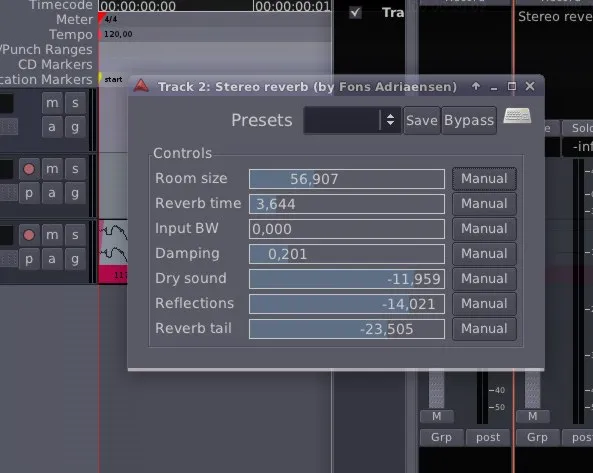
Photo: Ardour and LADSPA developers, LGPL, via Wikimedia Commons
You did everything right. You picked a solid distro, configured JACK or Pipewire, got your DAW humming, and then opened up your plugin folder only to realize half your arsenal is missing. Not broken — just gone. Serum won't compile. Omnisphere isn't even a conversation. Waves? Don't make us laugh.
This isn't a new problem, but it's one that still catches producers off guard, especially those coming from Windows or macOS. So let's actually dig into why this keeps happening — and what moves you have left when the bridge tools aren't cutting it.
It's Not Just Laziness on the Developer's Part
The first thing most producers assume is that plugin developers simply don't care about Linux users. And honestly, that's a fair gut reaction. But the reality is messier than that.
Developers building commercial plugins are often working inside frameworks — JUCE being the most common — that technically support Linux builds. So why don't more of them ship one? The short answer: support burden.
When a developer ships a Linux binary, they're committing to testing it across potentially dozens of distro configurations, kernel versions, audio subsystems, and DAW environments. A plugin that works perfectly on Ubuntu 22.04 with Reaper might crash spectacularly on Arch with Ardour. That's not a hypothetical. That's Tuesday for a lot of Linux audio users.
For a small dev shop — and most plugin companies are exactly that — the cost-benefit math just doesn't pencil out. The Linux audio market is real, but it's still a fraction of their Windows and Mac customer base. Shipping a half-tested Linux build that generates a flood of support tickets is often worse for them than shipping nothing at all.
The Licensing Layer Nobody Talks About
Here's where it gets thornier. A lot of popular plugins — especially the heavy hitters like Omnisphere or anything from iLok-dependent developers — are built on third-party licensing and DRM systems that simply don't have Linux support baked in.
iLok, for example, has historically had spotty-to-nonexistent Linux compatibility. If your plugin requires iLok authentication and iLok doesn't run on your system, you're not getting past the front door regardless of whether the plugin itself could technically compile. Same goes for certain proprietary DSP libraries that developers license from third parties. If that upstream vendor doesn't ship a Linux build, the plugin developer's hands are tied even if they wanted to support the platform.
This is one of the most underreported bottlenecks in the whole Linux audio conversation. It's not always the plugin developer blocking you — sometimes it's a dependency two or three layers deep.
Which Plugins Are Producers Actually Screaming For?
We've talked to a handful of producers in various online communities — from the Linux Music Production subreddit to the Unfa Discord — and a few names keep coming up over and over.
FabFilter's Pro-Q 3 sits near the top of almost every list. FabFilter has been openly friendly toward the Linux community and has hinted at interest, but nothing has shipped yet. Serum from Xfer Records is another constant request. Valhalla's reverbs come up constantly, which is notable because Valhalla has been one of the more Linux-curious developers in the space — their free plugins do run through Wine reasonably well, but native support would change things.
On the instrument side, Kontakt from Native Instruments is practically its own category. So much of the professional sample library ecosystem runs on Kontakt that its absence from native Linux support creates a downstream problem that affects hundreds of third-party products simultaneously.
What Open-Source Developers Say About the Gap
We reached out to a few contributors in the open-source Linux audio space to get their read on this. The consensus isn't exactly optimistic, but it's not hopeless either.
The general sentiment from developers working on tools like CLAP and LV2 plugins is that the ecosystem needs critical mass before commercial developers will move. Every native Linux plugin that ships — even a smaller one — normalizes the platform. It lowers the psychological barrier for the next developer considering it.
There's also growing interest in the CLAP format as a potential equalizer. Unlike VST3, which is controlled by Steinberg, CLAP is open and has been designed with cross-platform consistency in mind from the ground up. Some developers building new plugins are starting there, which means Linux support comes standard rather than as an afterthought.
So What Do You Actually Do Right Now?
Okay, enough context. Let's talk moves.
Yabridge and Wine are still your best immediate option for Windows VSTs that don't have Linux builds. It's not perfect, but for a lot of plugins — including many FabFilter and Valhalla titles — it works well enough for real sessions. The CPU overhead article we ran earlier covers the performance tradeoffs in detail if you need a refresher.
Check for LV2 or CLAP alternatives before assuming you need the exact Windows plugin. Surge XT is a legitimate alternative to Serum for a lot of use cases. x42-plugins cover a huge amount of mixing utility ground. If you're using a specific plugin for a specific sound rather than a specific brand, there's a decent chance a native Linux option exists.
Vote with your support tickets. This sounds soft, but it genuinely matters. Developers track feature requests. A single email gets ignored. A thousand emails gets a Trello card. Communities like the Linux Audio Users mailing list and various subreddits have coordinated request campaigns before with real results. Valhalla's openness to Linux didn't come from nowhere.
Watch the CLAP ecosystem. This is a medium-term play, but developers building new plugins in CLAP are increasingly shipping Linux builds by default. Keeping an eye on what's coming out in that format means you might have native options sooner than you'd expect for next-generation tools.
Consider your DAW's native plugin ecosystem. Bitwig and Ardour both have robust native plugin support and communities that actively develop for Linux first. Building your core signal chain around tools that were designed for this platform rather than ported to it changes the math considerably.
The Bigger Picture
The Linux VST bottleneck is real, and pretending it isn't doesn't help anyone. But it's also not a fixed wall — it's a moving one. The combination of better bridging tools, growing producer communities, open formats like CLAP, and increasing developer awareness means the gap is narrowing even if it doesn't always feel that way from the inside.
The producers who are doing best on Linux right now aren't the ones waiting for Omnisphere to ship a native build. They're the ones who've built workflows around what actually works, stayed plugged into the community conversations, and applied consistent pressure in the right places. That's not a compromise — that's just smart production.